This piece first came out in the September 2025 issue of AUGUSTMAN Singapore.
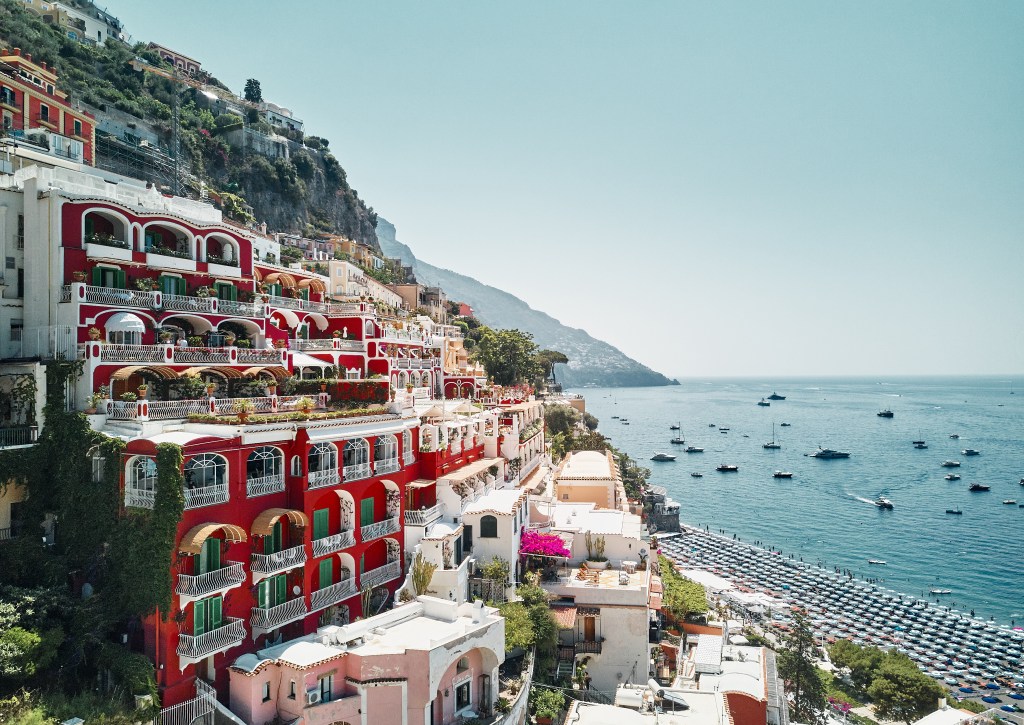
I was staring at Philadelphia-born artist Stanley Whitney’s mesmerising masterpiece The Jitterbug Waltz for a good two minutes before I realised how long I had been standing there, motionless and enraptured, such is the fascination it demands. The artwork lives against a pristine white wall on the fourth floor of a family-owned hotel called Le Sirenuse, at the top of a gorgeous tile-and-terracotta staircase, greeting guests as they make their way to one of the hotel’s salons that look out to the cliffs and shores of Positano.
The oil-on-canvas painting invites comparisons to Piet Mondrian’s Tableaus and Composition, because at first glance, there is something akin to the Dutch master’s works in its vividly coloured rectangular sectors separated by lines that either fence and demarcate or bridge and connect, depending on the viewer’s interpretation. Much of my time appraising the art was spent trying to decide between the two.
Chasing Bellezza
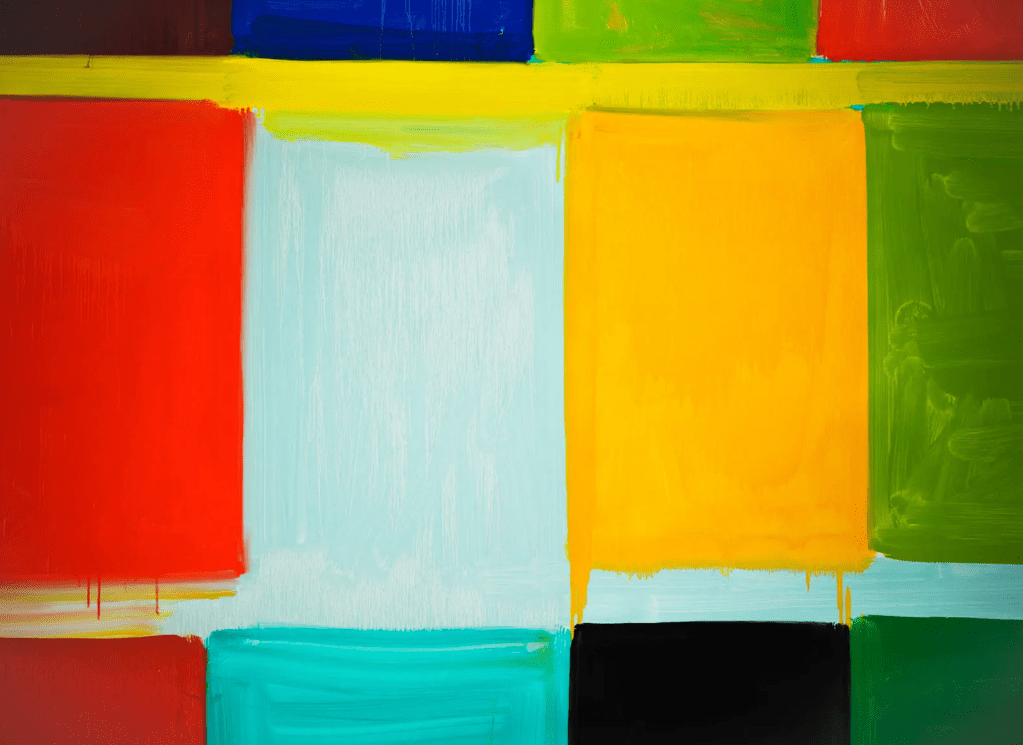
But, as Le Sirenuse’s vibrant, deeply knowledgeable director of guest relations Agata reminded me, the painting is titled The Jitterbug Waltz, a nod to American jazz legend Fats Waller’s 1942 bop.
And I realised, with that gasp that comes with learning and having a prior opinion shaken at its foundation, that this was not a Mondrian homage or pastiche. This is jazz. The vibrant colours are call and response, their arrangement upon the canvas is rhythm, the clash of their hues, beat.
The Jitterbug Waltz is not the only centerpiece oeuvre displayed in Le Sirenuse. There are so many other artworks here by a stellar assortment of artists that one could mistake the cliffside hotel for a museum.
American artist Alex Israel’s Amalfi Dr., 2017, a series of lifelike paintings of the flora that typifies Los Angeles’s Amalfi Drive, runs in parallel to the staircase that leads down from the reception area to the rooms. It is a reminder, doused in the majestic colours of nature, of the universal appeal of Italy’s Amalfi Coast.
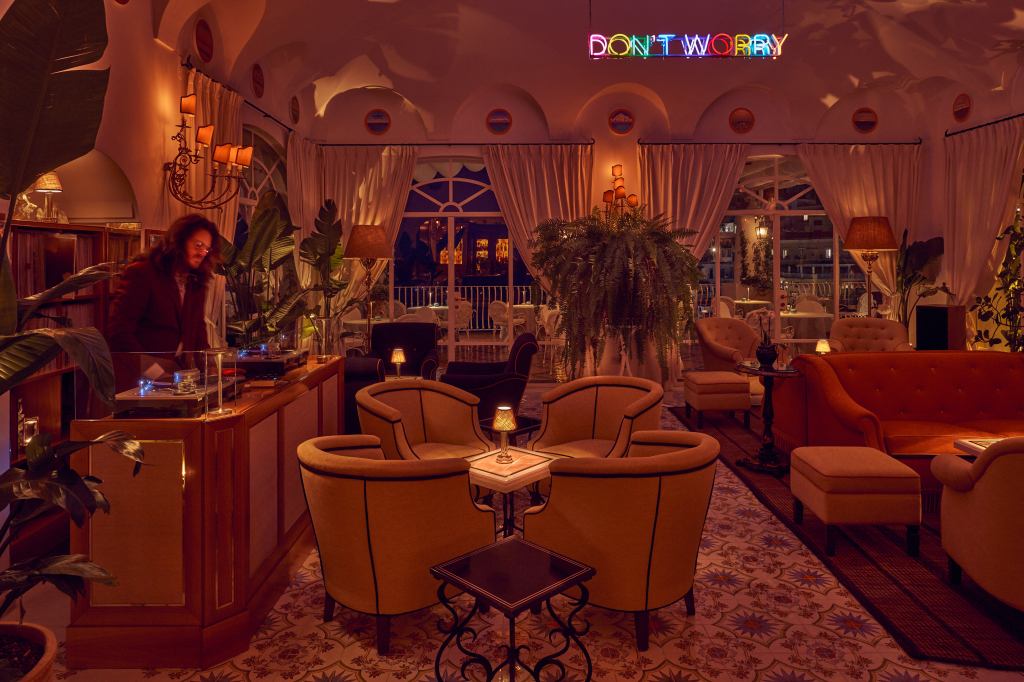
Martin Creed’s bidirectional neon sign, which reads and is titled ‘Don’t Worry’, hangs from the ceiling at the heart of the hotel bar, now called Don’t Worry Bar because of Creed’s artwork. The Scotsman intended the sign to be a reminder for guests to leave their cares behind, but glowing against the night, the multi-coloured neon hues seem to come alive and embody the very notion of dolce vita. It is a notion that becomes even more pronounced when you savour one of their specialty cocktails such as the gloriously saccharine Lazy Night, a mix of chocolate bourbon, lemon vermouth, salted maple syrup, vanilla liqueur, and mountain pine liqueur. Lazy Night can be argued to be one of the great works of art in Le Sirenuse as well.
Even the swimming pool is a work of art. Simply titled Pool, the mosaic oeuvre at the floor of the pool is painstakingly crafted by Swiss visual artist Nicolas Party. He took inspiration from the exquisite Positano landscape and its view of the mountains, sun, sea and sky, translating that natural beauty into an exuberant play of overlapping organic forms. It’s a joyous, billowing immersive diorama that shifts and dances underwater. The effect is created using glass mosaic tiles made by leading Italian mosaic firm Bisazza.
I can safely say that in my entire career as a journalist, no hotel has made as lasting an impression as Le Sirenuse and its collection of art. “The collection has taken two generations to build up! It started with my father and brothers collecting old masters and antiques for the hotel,” says Antonio Sersale, the hotel’s general manager, who co-owns Le Sirenuse with his family. “I started adding to it by collecting contemporary art, focusing on site-specific installations guided by the curator Silka Rittson-Thomas.”
Like Sleeping In A Luxurious Museum
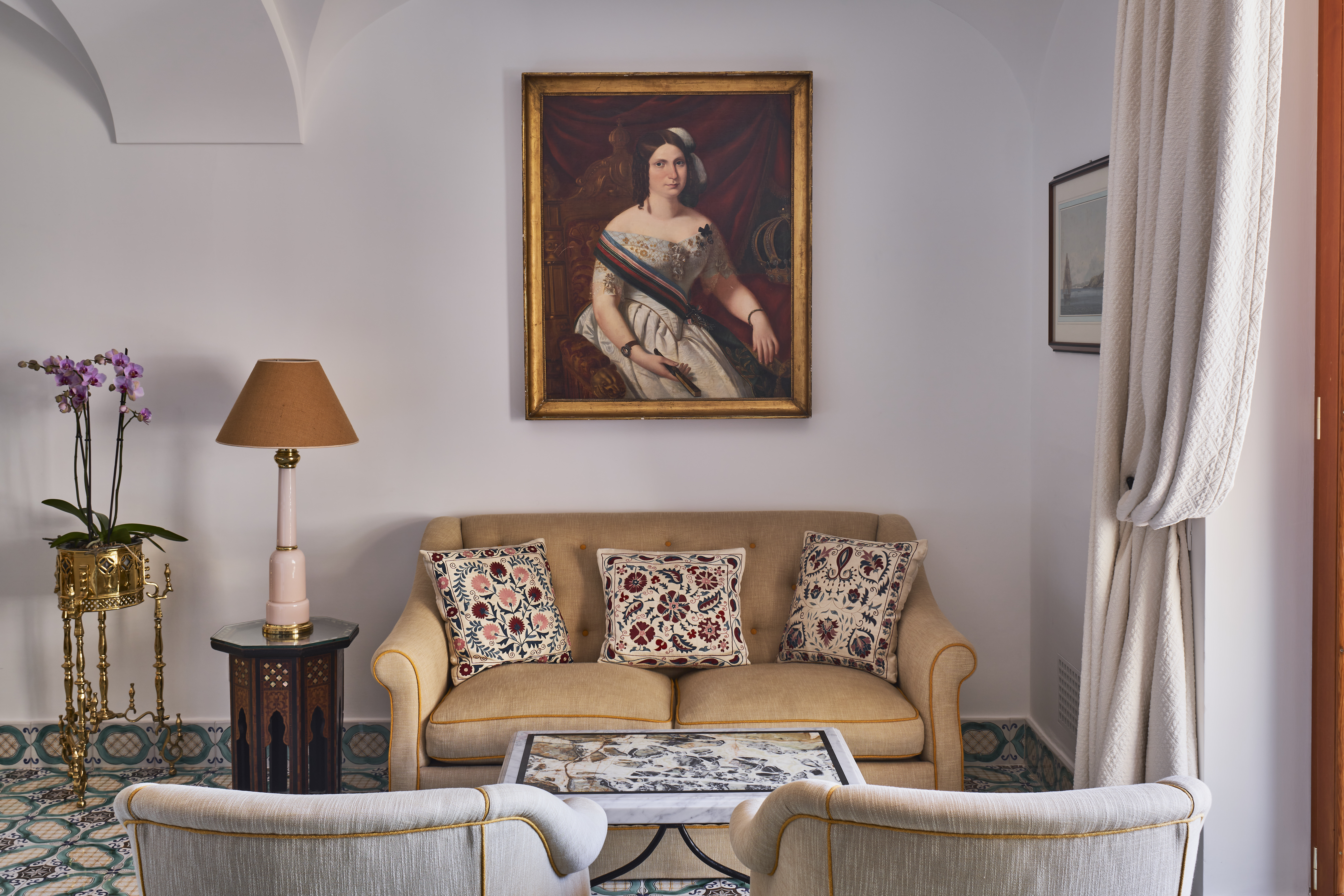

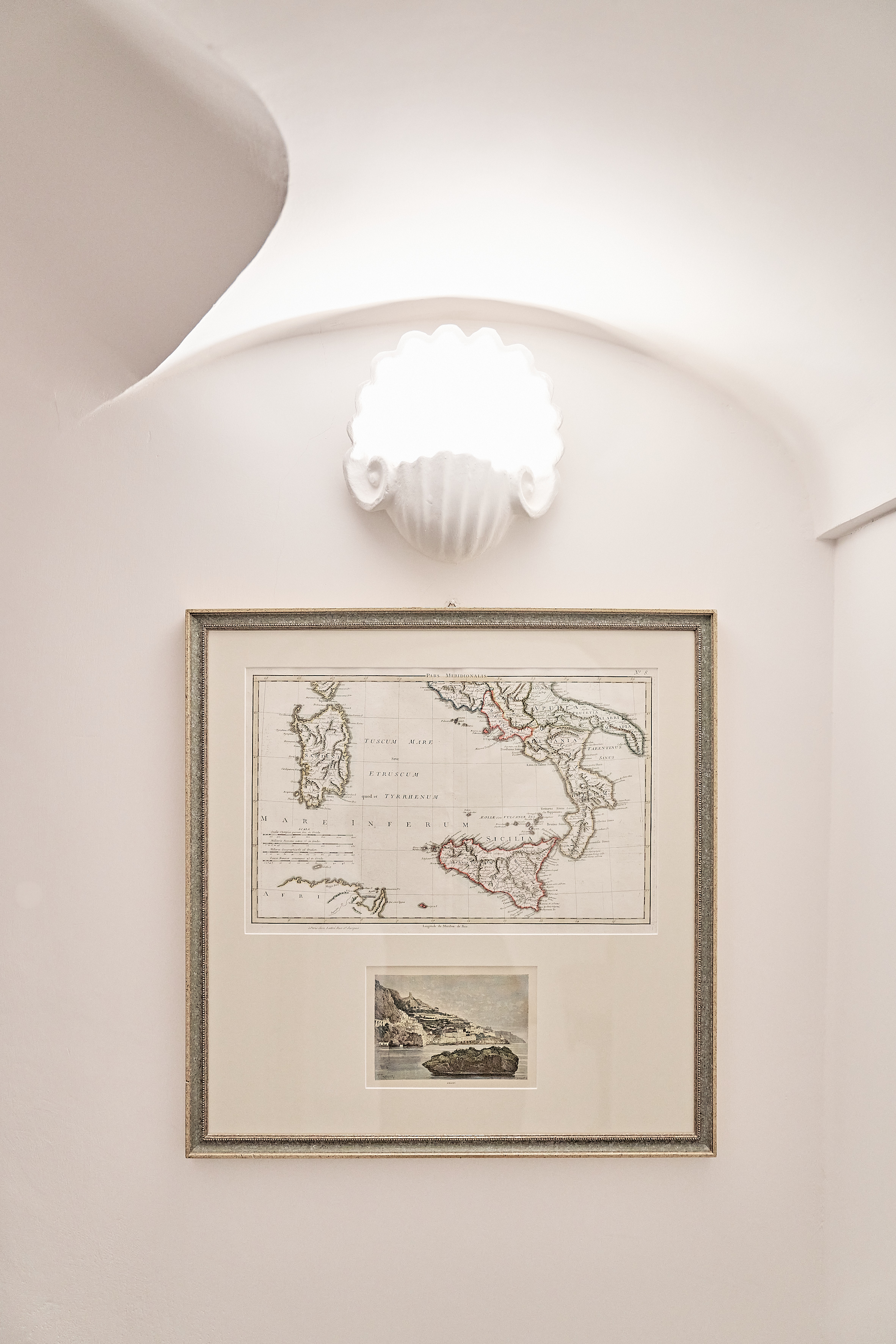

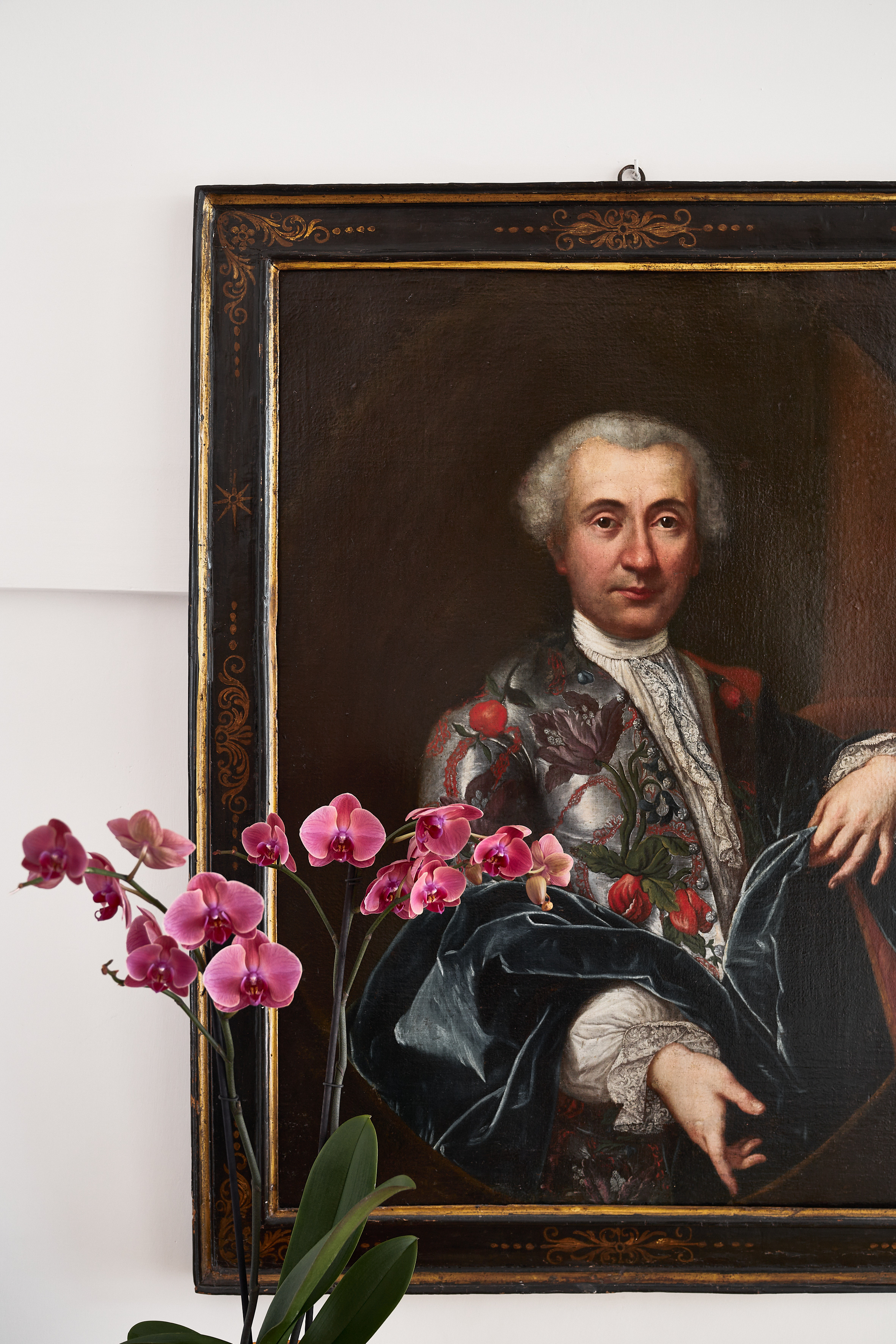
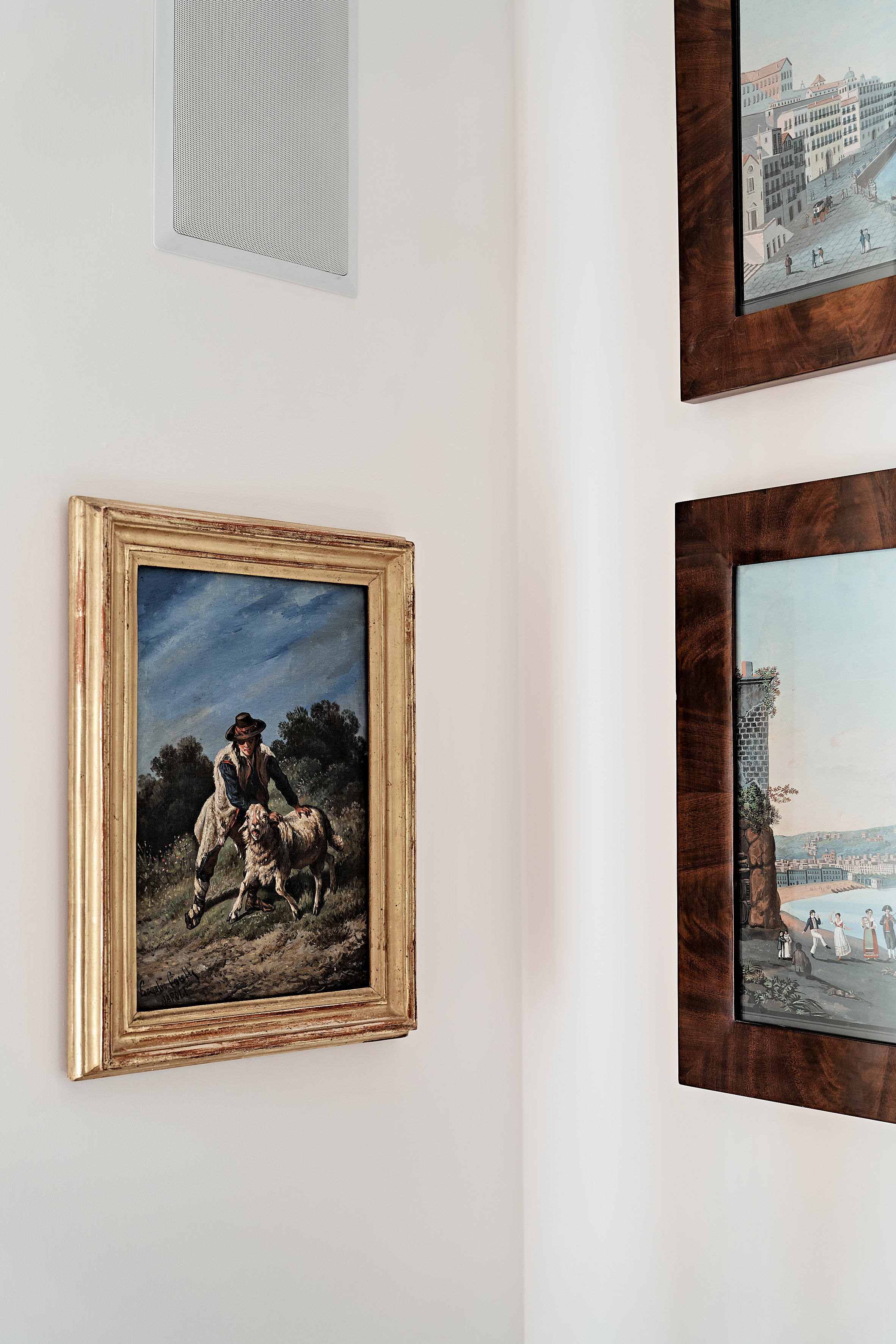
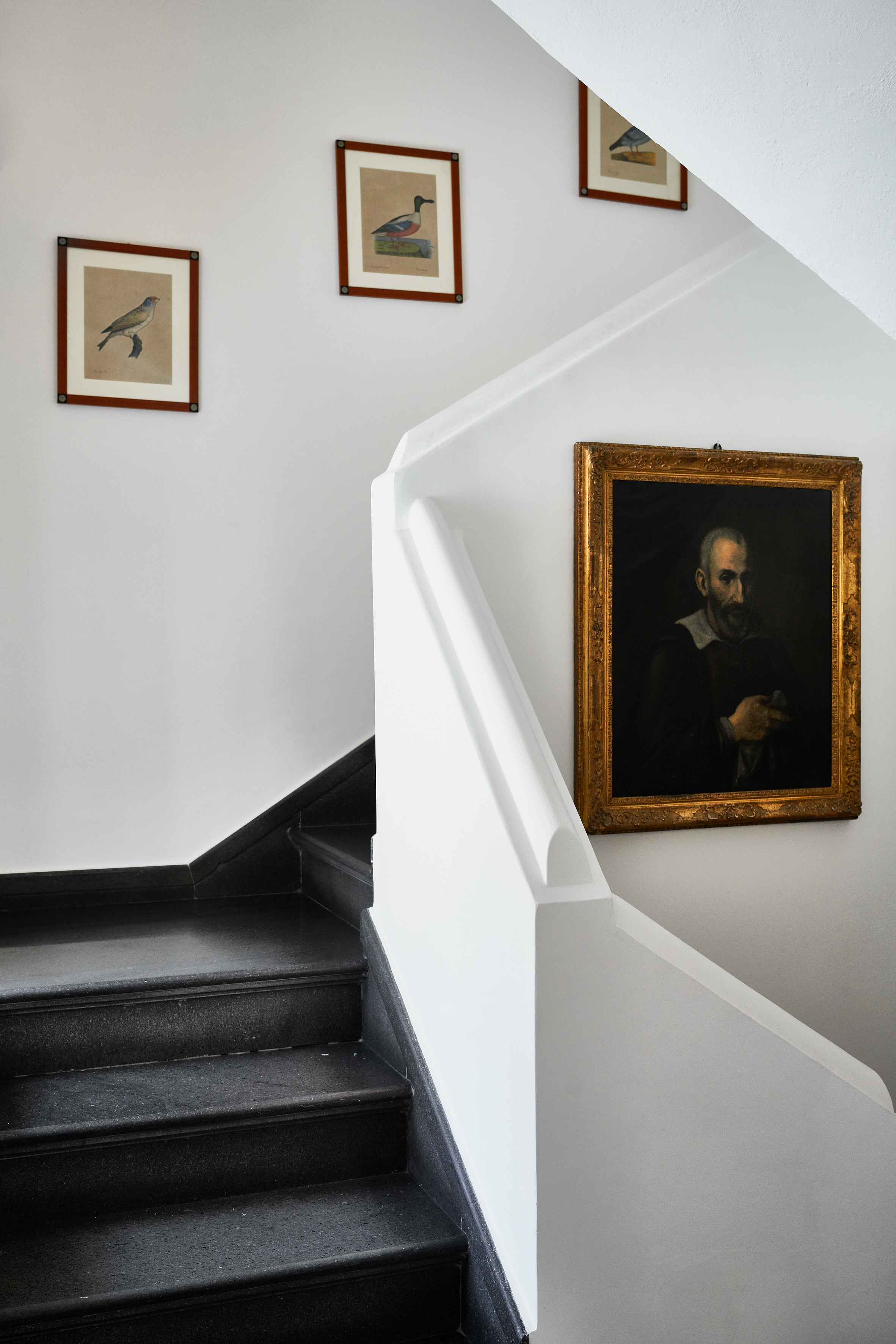
Le Sirenuse’s impressive collection of art continues inside its 58 rooms and along the corridors that connect them. Paintings, tapestries and sculptures surround guests. Italian or European artists mostly made them. Some are Catholic-themed but all are divine in their own right. They elevate each room, giving the feeling that you’re resting your bones in a luxurious private gallery. Because each artwork is an original, no two rooms are the same.
Le Sirenuse offers 58 rooms, each one ennobled by the hotel’s unique brand of tranquility and elegance. The rooms are divided into different categories, such as the Dolce Vita Rooms, the Junior Suites, the Suites, and the two spectacular top-floor Suites, the Positano and the Amalfi. Each room is a masterpiece of design, with whitewashed walls, vaulted ceilings, and hand-painted tile floors that reflect the Mediterranean light of the Amalfi coast.

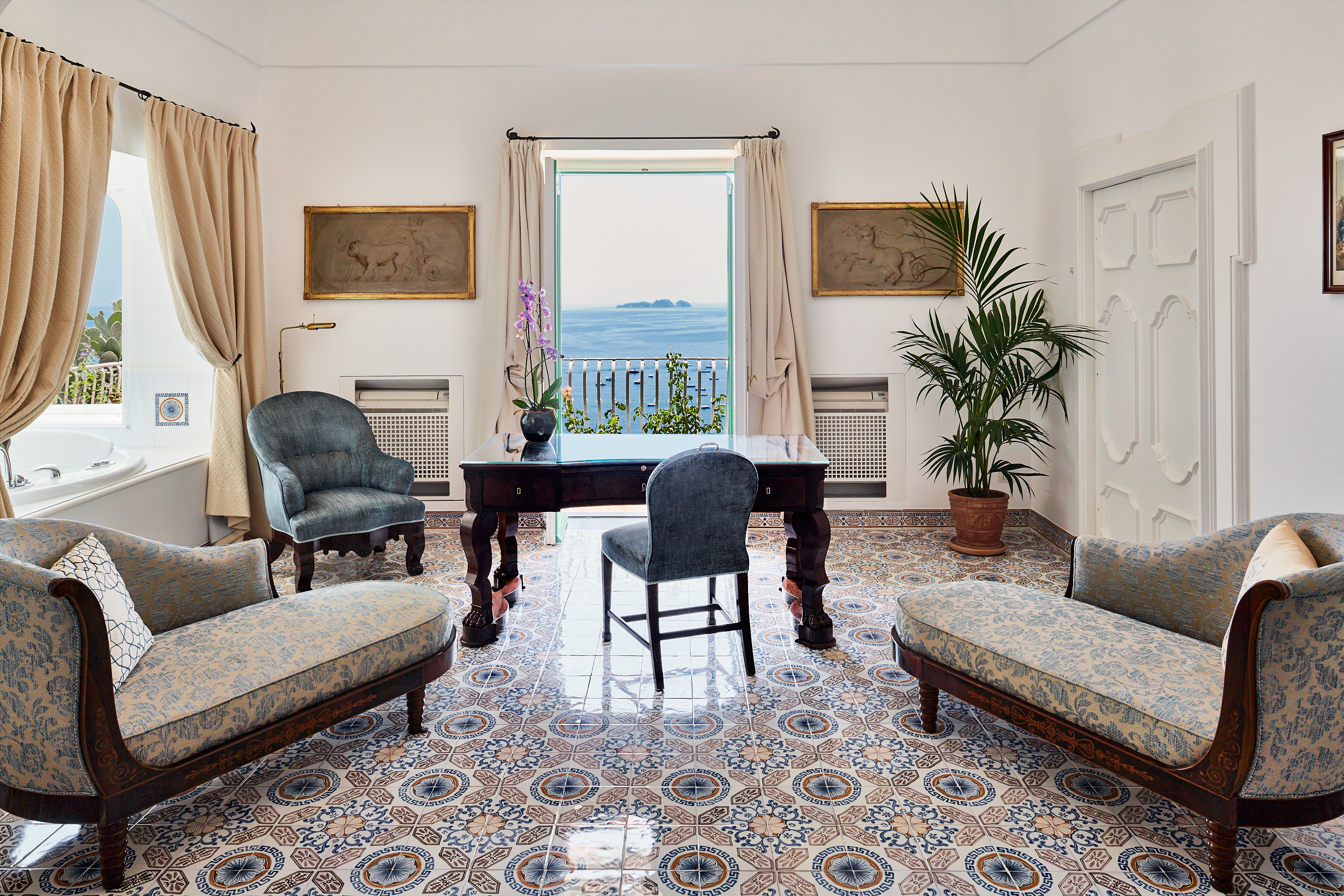


The rooms are appointed with a curated collection of antique furniture, original artwork, and plush, custom-made fabrics. The focus is on understated luxury, with every detail thoughtfully considered. Large windows or private balconies offer breathtaking views of the Bay of Positano, the iconic pyramid of houses, and the shimmering Mediterranean Sea. The feeling is one of intimate, residential comfort rather than a typical hotel room.
Many rooms and suites also boast private terraces with sun loungers and dining areas, providing the perfect setting for a private, alfresco breakfast, or an evening cocktail as the sun sets over the sea. Amenities are designed for a truly indulgent stay. All rooms feature a minibar, a safe, and complimentary high-speed internet access. The marble bathrooms are stocked with full-size bottles of Eau d’Italie products, the hotel’s exclusive line of fragrances, bath, and body products. In certain rooms, there are circular bathtubs next to windows that look out to the Mediterranean, and the rock formations that supposedly house the legendary sirens that give the hotel its name.
The combination of personalised service and exquisite, well-appointed rooms is expected for a hotel of its calibre.
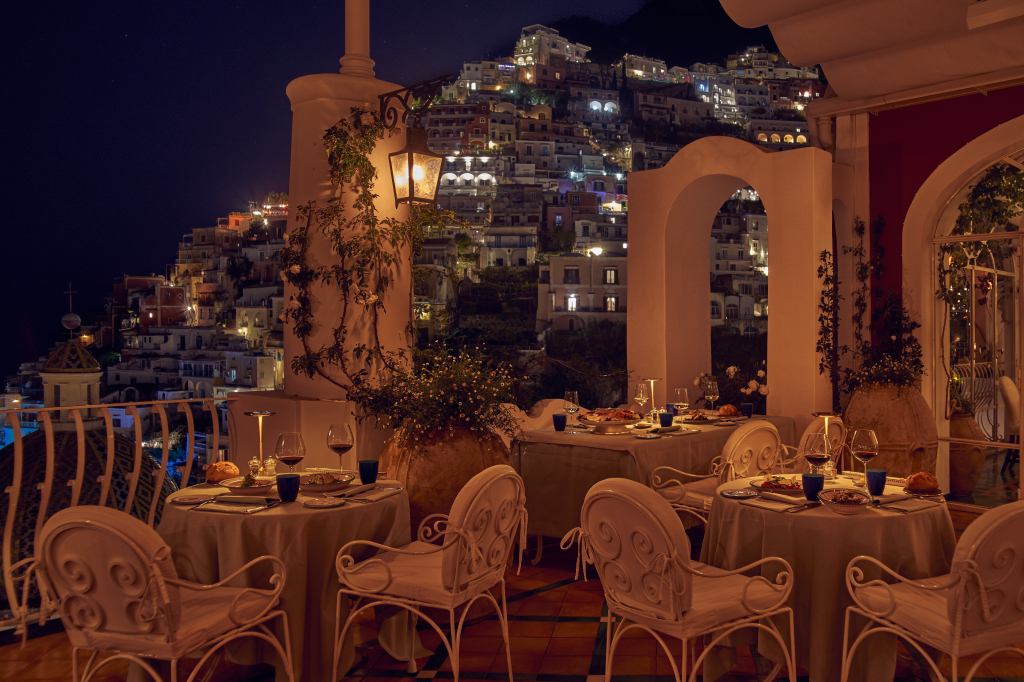
This, combined with its expansive collection of art, makes Le Sirenuse one of the most romantic hotels, and I highly recommend any couple to include a stay in their joined to-do list. Signor Sersale affirms this, saying, “We have a lot of young couples visiting. Le Sirenuse is a fun and exciting place to be with a very romantic tinge.”
The Collective Good
Le Sirenuse is more than just a hotel; it’s a living piece of history, inextricably linked to the Sersale family. In 1951, four Neapolitan siblings—Aldo, Paolo, Anna, and Franco Sersale (Antonio’s father)—transformed their beautiful 18th-century summer house in Positano into a small, charming hotel. Their goal was to share the warm, cultured atmosphere of their private home with visitors. This founding ethos of hospitality and personal care has been a guiding principle ever since. The hotel has been passed down through generations, and today, Antonio and his wife Carla, continue the family legacy, ensuring that the hotel keeps the intimate, residential feel of its origins while offering the highest standards of modern luxury. The Sersale family legacy is now being carried on by the third generation. Their sons, Aldo and Francesco, have joined the business, bringing fresh perspectives and new ideas to the management of the hotel.
The Sersale family is one of the most prominent in Positano. Paolo Sersale served as mayor from 1944 to 1960, while Franco was known as an erudite man. Antonio learnt much from the two. From his uncle Paolo, he learnt to “lead by example and always think of the collective good.” From his father Franco, Antonio learnt about business, but also to think globally without forgetting about where he came from.
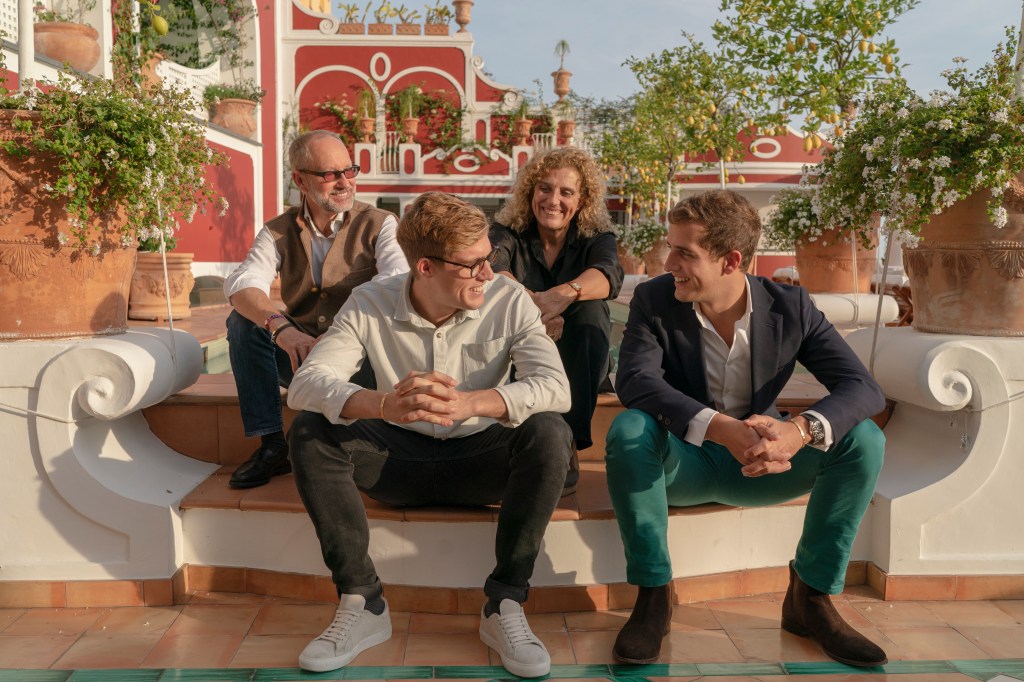
This is deeply rooted in Le Sirenuse’s DNA. The hotel has undeniable global appeal, but looks out for its community. “We support local charities, religious events, and always look to the local communities to hire staff before considering from outside,” Antonio Sersale explains.
Perhaps one of the most resounding endorsements of Le Sirenuse’s status as one of the greatest bastions of hospitality in the world are from the staff themselves, who are attentive and display great morale. Antonio Sersale himself speaks of the place with great enthusiasm, despite having been associated with it all his life. “I have dedicated my life to Le Sirenuse, and it has given me back great satisfaction and joy!” he says. In my mind, I juxtapose him with many in the hospitality industry who are jaded and burnt-out.
It proves that luxury isn’t enough. Sometimes, a hotel needs to have its own soul.
It takes me back to Whitney’s The Jittterbug Waltz. Just as you might fall in love with it for what it’s not, Le Sirenuse astounds you unexpectedly for what it is. It is jazz in hotel form, a continuation of a colourful heritage, seemingly random, but with a beautiful method to its dazzling madness.
And that is, essentially, Le Sirenuse, the joys of life manifested in this terracotta, sea green and Pompeiian red bastion of hospitality. It is the embodiment of our pursuit of the transcendental, the kind we hope to find when we travel. It is dolce vita, bellissimo and ragion d’essere—all the catch-all Italian words and phrases we sometimes use arbitrarily; only that in Le Sirenuse, they are real, tangible concepts. In my headline, I wrote Lì A Casa Il Cuore Sentirai. The Italian phrase, taken from the writings of Leonardo da Vinci about flight, speaks of the overwhelming, beatific feeling one must feel when being closer to the heavens. In English, it means ‘There, your heart will have a home.’
Resting on the cliffs of Positano, above the placid sea, Le Sirenuse is more than a hotel. It is home.
 SUFFIAN HAKIM
Leave a comment